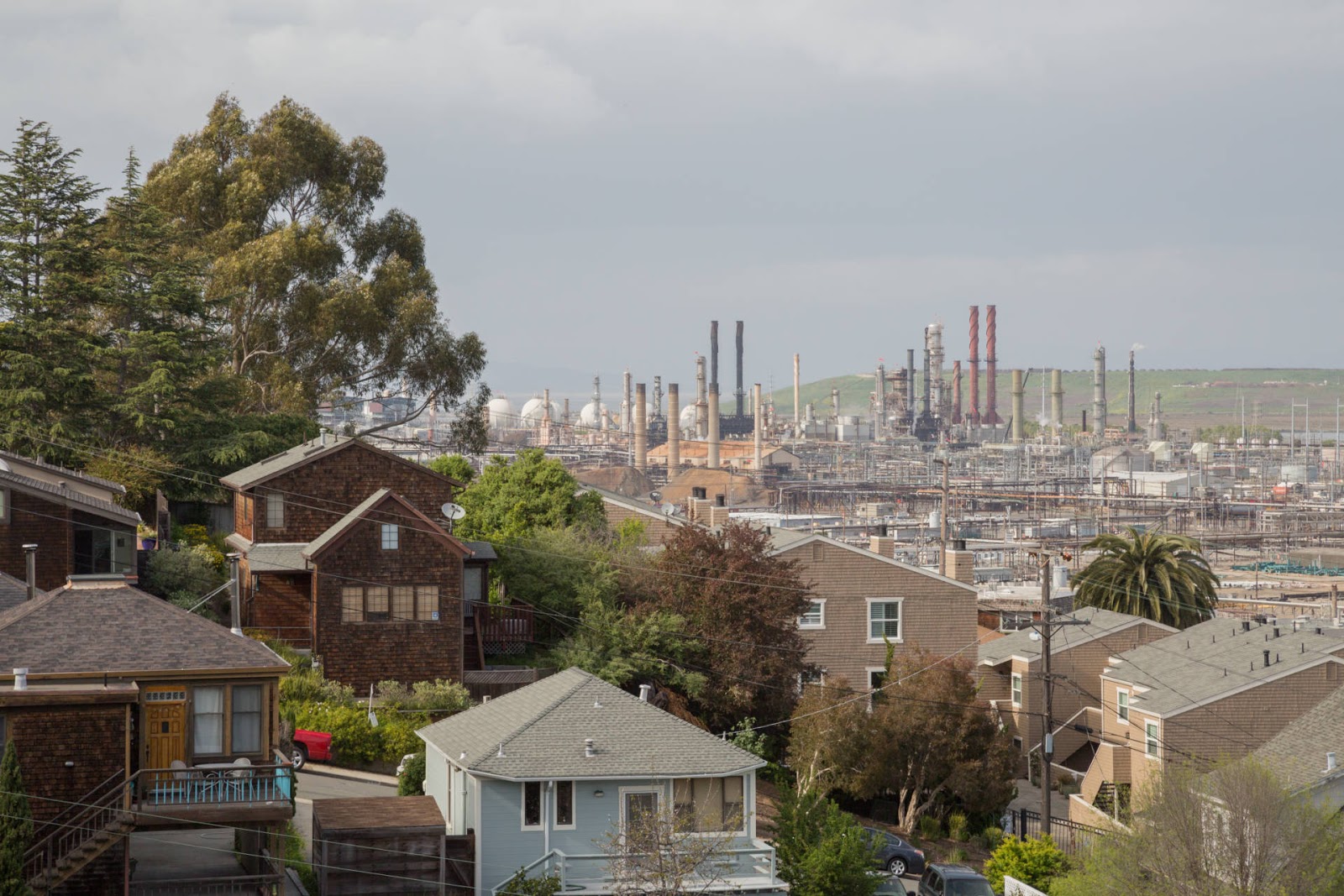
Refineries play a critical role in supplying fuels and chemicals, but they also release pollutants that pose serious health risks for nearby residents. According to the U.S. Environmental Protection Agency (EPA), over 6 million Americans live within 3 miles of a refinery. Studies show that these communities experience significantly higher rates of respiratory diseases, cancer, and premature deaths compared to national averages.
This article identifies 10 U.S. neighborhoods most at risk from refinery pollution, examines the health impacts, and discusses environmental justice implications backed by the latest data and maps.
Is Cancer Alley Still a Thing? Understanding the Legacy and Reality of Louisiana’s Industrial Corridor
Cancer Alley—an 85-mile stretch of industrial corridor along the Mississippi River between Baton Rouge and New Orleans, Louisiana—has long symbolized environmental injustice in the United States. With over 150 petrochemical plants and refineries clustering around predominantly Black, low-income communities, the area has earned its ominous moniker due to elevated cancer rates and chronic health problems linked to industrial pollution. But in 2025, is Cancer Alley still a thing? The short answer: yes—and in many ways its challenges are deeper and more complicated than ever.
Historical Roots and Industrial Growth
The origins of Cancer Alley date back to the mid-20th century, when petrochemical companies recognized the strategic advantages of the region: proximity to the Gulf of Mexico, access to river transport, access to raw materials, and favorable business conditions. Over time, this industrial corridor grew exponentially. The heavy concentration of chemical plants and refineries served as major employers and revenue generators for the state and local economies. Yet, while the industrial engine brought economic opportunity, it also sowed seeds of environmental and public health damage. For communities living in adjacent neighborhoods, the trade-off has been steep.
Pollution, Health Risks, and Environmental Injustice
The environmental and health consequences in Cancer Alley are severe. Emissions and waste from petrochemical operations contribute to both air and water pollution, exposing residents to hazardous chemicals such as benzene, formaldehyde, heavy metals, volatile organic compounds (VOCs), and other carcinogens. In many locations, pollution levels routinely exceed federal health advisory thresholds. Multiple studies and reports have documented heightened cancer incidence, respiratory illnesses, chronic obstructive pulmonary disease (COPD), asthma, birth defects, and cardiovascular disease in the corridor. In 2018, the U.S. Environmental Protection Agency (EPA) flagged that residents in these communities faced among the highest cancer risks in the country due to ambient air pollution. The cumulative exposure to multiple pollutants over many years intensifies both acute and long-term health burdens. Compounding these risks is the issue of environmental justice. Many of the affected communities are predominantly Black and economically disadvantaged—populations historically marginalized and underrepresented in decision-making processes. Because of low political capital, these residents often struggle to challenge industrial permits, enforce regulation, or pursue compensation for health damages.
Recent Developments & Policy Shifts
In recent years, public scrutiny of Cancer Alley has intensified. Environmental advocacy groups, grassroots organizers, and community leaders have mobilized to bring broader awareness to the region’s plight. Legal actions have been filed against some operators for violating emissions regulations, and demands have mounted for stronger regulatory enforcement. Under the Biden administration, the Justice40 initiative aims to ensure that at least 40% of the benefits of certain federal investments flow to disadvantaged communities—offering some hope for much-needed resources. But implementation has been uneven, and impacts on Cancer Alley communities remain uncertain. Some states and local governments have proposed stricter permitting rules, tighter emissions standards, and enhanced monitoring, including real-time air quality data. Nonetheless, enforcement remains a weak link. Violations often result in fines too small to deter future infractions, and regulatory agencies frequently lag behind in oversight capacity or political will.
Economic Dependency vs. Health Imperative
One of the most challenging factors sustaining Cancer Alley is its economic entanglement with the petrochemical industry. Many local jobs, tax revenues, and municipal budgets depend heavily on plant operations. This creates a tension between protecting public health and preserving employment. Efforts to diversify the local economy and transition toward cleaner industries—such as renewable energy, green manufacturing, or sustainable agriculture—are essential but difficult. They require investment, workforce retraining, infrastructure changes, and political commitment. For many residents, immediate survival and job security often outweigh long-term environmental goals.
Why Cancer Alley Remains “a Thing” Today
Even with increased attention and policy proposals, three interlocking realities affirm that Cancer Alley remains a functioning problem:
1) Persistent Pollution and Health Burdens – The emission sources and chemical exposures have not disappeared. Without comprehensive remediation, the cumulative burden continues to grow. Chronic diseases linked to decades of exposure remain prevalent.
2) Weak Regulatory Enforcement – Existing environmental laws and regulatory agencies struggle to inspect, monitor, and penalize effectively. Loopholes in permitting, allowance for excess emissions, and slow legal processes allow companies to sidestep accountability.
3) Limited Structural Change – True change demands systemic shifts—major regulatory overhaul, economic transformation, and infrastructure reinvestment—which are slow, often underfunded, and contested by industry lobbying. As of 2024, the region's legacy of industrial pollution is still at the forefront of public health, civil rights, and environmental debates. Meaningful progress will require sustained pressure from communities, advocacy groups, governments, and industry toward transparency, justice, and clean technologies.
Pathways Forward
To reduce the toxic legacy of Cancer Alley and improve quality of life, several strategic actions are critical: strengthen regulatory frameworks through tighter emissions caps, stricter permit reviews, and closing loopholes; enhance monitoring and transparency with continuous air and water sensors, publicly accessible data dashboards, and community-based monitoring; increase enforcement capacity to issue meaningful penalties, shut down repeat violators, and compel cleanup; support community health and remediation with healthcare programs, soil and water cleanup, and health monitoring; diversify the economy with investment in renewable energy and green jobs; and strengthen community engagement so residents have a direct say in permitting and policy processes. Only by pairing environmental health measures with economic justice and community power can the region begin to heal and transform.
Frequently Asked Questions (FAQ)
What exactly is Cancer Alley? Cancer Alley refers to an 85-mile stretch of industrial activity along the Mississippi River between Baton Rouge and New Orleans, Louisiana. It hosts over 150 petrochemical plants and refineries, concentrated near marginalized communities, and has been associated with high rates of cancer and other illnesses due to pollution.
Why is it called “Cancer Alley”? The name emerges from decades of epidemiological observations and community claims that cancer rates in the region are disproportionately high, likely due to chronic exposure to carcinogenic chemicals emitted by nearby industrial operations.
Which pollutants pose the greatest risk? Major pollutants include benzene, formaldehyde, volatile organic compounds (VOCs), heavy metals, sulfur dioxide, nitrogen oxides, and particulate matter. Many are classified as carcinogens or respiratory irritants.
Who lives in Cancer Alley? Residents are predominantly low-income, often African American or communities of color. These communities have historically had limited resources and political influence, making them more vulnerable to environmental burdens.
Has anything changed recently in terms of regulation or cleanup? Yes, there is greater visibility, more activism, and some regulatory attention. The Biden administration’s Justice40 program aims to direct benefits to disadvantaged communities. Some states propose stricter emission controls and monitoring enforcement. But implementation remains inconsistent and enforcement weak.
Does Cancer Alley still exist today? Yes. While the debate and public awareness have intensified, the industrial infrastructure remains active, and many of the health and environmental issues persist.
Can residents seek legal recourse? In some cases, yes. Community organizations and lawyers have brought lawsuits and regulatory petitions. But legal battles often stretch over years, and compensation is limited unless strong causal links between pollutants and specific illnesses can be proven.
What are the challenges for change? Major challenges include entrenched economic dependence on petrochemical industries, limited regulatory capacity, corporate resistance, and the need for long-term investment in alternative industries and cleanup efforts.
What can ordinary citizens do to help? Support environmental justice organizations, push for legislative reform, demand transparency in industrial permits, amplify community voices, and advocate for funding for health, cleanup, and economic diversification in affected regions.
Is there hope for a healthier future? Yes—if policymakers, industry, civil society, and local communities commit to sustained, equitable action. True transformation will demand decades of coordinated effort, but the path forward includes expanded monitoring, tougher regulation, economic alternatives, and a more robust framework of environmental justice.
In conclusion, Cancer Alley is far from a relic of the past; it remains a living, contested space of health risk and environmental inequality. The act of asking “Is Cancer Alley still a thing?” signals both frustration and urgency. With coordinated policy, community power, and meaningful investment, there is a path toward remediation and transformation—but the journey is long, and the stakes are high.
Train derailments involving hazardous materials are not rare events, and their consequences extend far beyond immediate property damage. When tanker cars carrying toxic substances are punctured, chemicals may be released into the atmosphere, seep into the soil, or contaminate waterways. For communities situated near these derailments, the result can be both acute and chronic health problems. The effects are often influenced by the type of chemical spilled, how long exposure lasts, and whether local governments respond quickly and effectively. This article examines the short-term effects, long-term health consequences, psychological stress, and community disruption caused by train derailment chemical spills. It also explores case studies from real-world disasters and outlines preventive measures communities can adopt.
Immediate (Short-Term) Health Effects
One of the most pressing concerns after a derailment is the acute exposure of residents and first responders. People living within a few miles of a chemical release can inhale toxic gases, touch contaminated surfaces, or consume unsafe food and water. The following symptoms commonly appear in the hours or days after exposure.
Respiratory Distress
Chemicals like chlorine gas, ammonia, and vinyl chloride are potent respiratory irritants. Breathing them in can cause coughing, wheezing, chest tightness, and shortness of breath. Severe exposures may lead to chemical pneumonitis, acute lung injury, or even respiratory failure requiring hospitalization. Children, seniors, and those with asthma are at particular risk.
Skin and Eye Irritation
Direct contact with toxic liquids or aerosols often results in burns, rashes, or dermatitis. Sensitive tissues such as the eyes can be severely damaged, leading to redness, pain, tearing, or blurred vision. Long-term scarring or vision impairment is possible with high concentrations.
Gastrointestinal Problems
Spills that contaminate drinking water or food supplies pose another set of risks. Nausea, vomiting, diarrhea, and abdominal pain are frequent complaints in communities where chemicals infiltrate water systems. Some substances are hepatotoxic or nephrotoxic, stressing the liver and kidneys.
Neurological Symptoms
Certain chemicals, especially solvents and heavy metals, can disrupt the nervous system. Acute exposure may trigger headaches, dizziness, tremors, confusion, or seizures. High doses can even cause loss of consciousness.
Long-Term Health Consequences
While short-term symptoms are alarming, the most devastating outcomes often emerge over years. Chronic exposure—even at low levels—can significantly increase risks for several diseases.
Cancer Risk
Many chemicals transported by rail are known carcinogens. Benzene exposure is linked to leukemia, while vinyl chloride raises risks of liver and bladder cancer. Epidemiological studies show that residents living for decades near contaminated areas often have elevated cancer incidence compared to the general population.
Respiratory Illness
Long-term inhalation of irritants damages lung tissue. This contributes to chronic bronchitis, asthma, and COPD. Survivors of chemical disasters often report persistent breathing difficulties years after the initial exposure.
Cardiovascular Disorders
Some chemicals affect blood pressure regulation and vascular health. Over time, this increases the likelihood of hypertension, heart attacks, and strokes. These risks are compounded in populations with pre-existing conditions.
Reproductive and Developmental Effects
Toxins like phthalates, heavy metals, and solvents can interfere with human reproduction. Documented effects include reduced fertility, miscarriages, and birth defects. Children exposed in utero or early in life face developmental delays, impaired learning, and reduced motor skills.
Neurological Degeneration
Long-term exposure to neurotoxins can lead to peripheral neuropathy, Parkinson’s disease, and cognitive decline. Communities living near persistent contamination often see higher-than-average neurological illnesses over decades.
Psychological and Social Impacts
Chemical disasters also leave lasting scars on mental health. The trauma of evacuation, uncertainty about health, and loss of community stability fuel long-term psychological distress.
Anxiety and Stress
Fear of unseen contaminants can lead to chronic anxiety, insomnia, and hypervigilance. Residents often worry about the invisible nature of toxins, wondering if their homes, yards, or drinking water are safe.
Depression and PTSD
Prolonged displacement, property loss, and health concerns often trigger depression and post-traumatic stress disorder. Survivors may replay the event mentally or avoid areas associated with the disaster.
Community Breakdown
Entire towns can suffer from stigma, declining property values, and weakened social cohesion. Families may relocate, businesses may shutter, and tax bases may erode. These disruptions make recovery difficult, compounding the physical and mental toll.
Preventive Measures and Safety Strategies
Reducing health risks requires strong prevention, rapid response, and long-term support.
Regulatory Oversight
Governments can limit risks by enforcing stricter rules on transporting hazardous materials. This includes regular inspection of railcars, safer tank designs, and designated routes that avoid residential areas.
Emergency Preparedness
Clear evacuation plans, community drills, and rapid mobilization of hazmat teams are essential. Local hospitals should be equipped to handle chemical injuries, and first responders should be trained in hazardous material protocols.
Public Communication
Residents need accurate, timely information. This includes emergency alerts, safety hotlines, and educational campaigns to help people recognize symptoms and know when to evacuate.
Long-Term Medical Monitoring
Ongoing screening for respiratory illness, cancer, and neurological conditions is crucial. Communities affected by past spills benefit when governments fund health clinics, epidemiological studies, and specialist access.
Case Studies of Major Train Chemical Spills
Graniteville, South Carolina (2005)
A train derailment released chlorine gas, killing nine people and injuring more than 250. Survivors suffered long-term respiratory illnesses, and many developed post-traumatic stress.
Paulsboro, New Jersey (2012)
Vinyl chloride escaped from derailed tankers, causing dizziness, nausea, and headaches among residents. Long-term monitoring highlighted increased cancer concerns in the community.
Minot, North Dakota (2002)
An anhydrous ammonia release killed one person and sickened hundreds. Survivors reported chronic breathing problems and neurological symptoms years after the spill.
Dunsmuir, California (1991)
A tanker spilled 19,000 gallons of metam sodium into the Sacramento River. The spill destroyed aquatic life and caused nausea, breathing problems, and eye irritation among locals. Effects on ecosystems lasted for years.
Lac-Mégantic, Quebec (2013)
A runaway train carrying crude oil exploded, killing 47 and contaminating the town center. Residents faced not only toxic smoke exposure but also devastating mental health consequences and long-term economic loss.
Conclusion
Living near a chemical spill from a train derailment can have profound consequences. Short-term effects include respiratory distress, neurological symptoms, and skin irritation. Long-term risks range from cancer and cardiovascular disease to reproductive harm and neurological decline. Beyond physical health, communities suffer from psychological trauma, property loss, and social disruption. The path forward requires tighter regulations, prepared emergency systems, transparent communication, and decades of health monitoring. Only then can affected communities rebuild with confidence and resilience.
FAQ – Health Effects of Living Near Chemical Spills
What are the immediate health effects of a chemical spill? Short-term effects include coughing, wheezing, skin and eye irritation, nausea, dizziness, and in severe cases seizures or respiratory failure.
Can living near a chemical spill increase cancer risk? Yes. Benzene and vinyl chloride are known carcinogens linked to leukemia, liver cancer, and bladder cancer. Long-term exposure raises overall cancer risk.
What psychological effects can occur after a train derailment spill? Residents often experience anxiety, depression, PTSD, and community disruption. Fear of contamination and property loss amplify stress levels.
What safety measures reduce health risks from chemical spills? Key measures include strict regulation of hazardous material transport, rapid emergency evacuation, transparent public communication, and long-term medical monitoring.
Living near an oil refinery is associated with an increased risk of bladder cancer, according to a new study by the US health agency CDC.
According to the study, 10% of refineries in the United States emit cancer - and cause benzene - and a recent study by the National Institute of Environmental Health Sciences (NIEHS) showed that 10 of them emit it into the air at a rate of 1,000 parts per billion.